
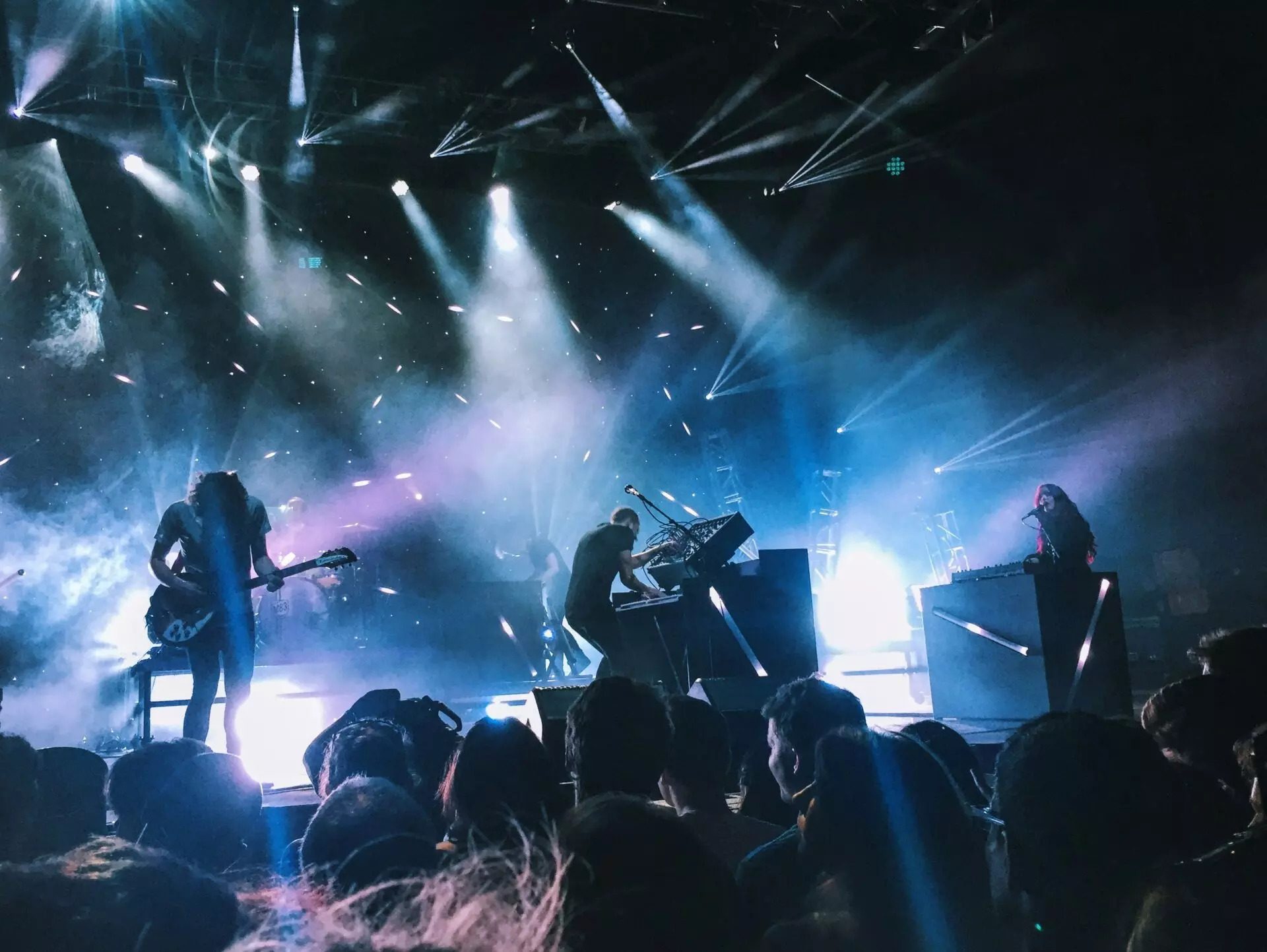
Live music is thriving, but for who, exactly?
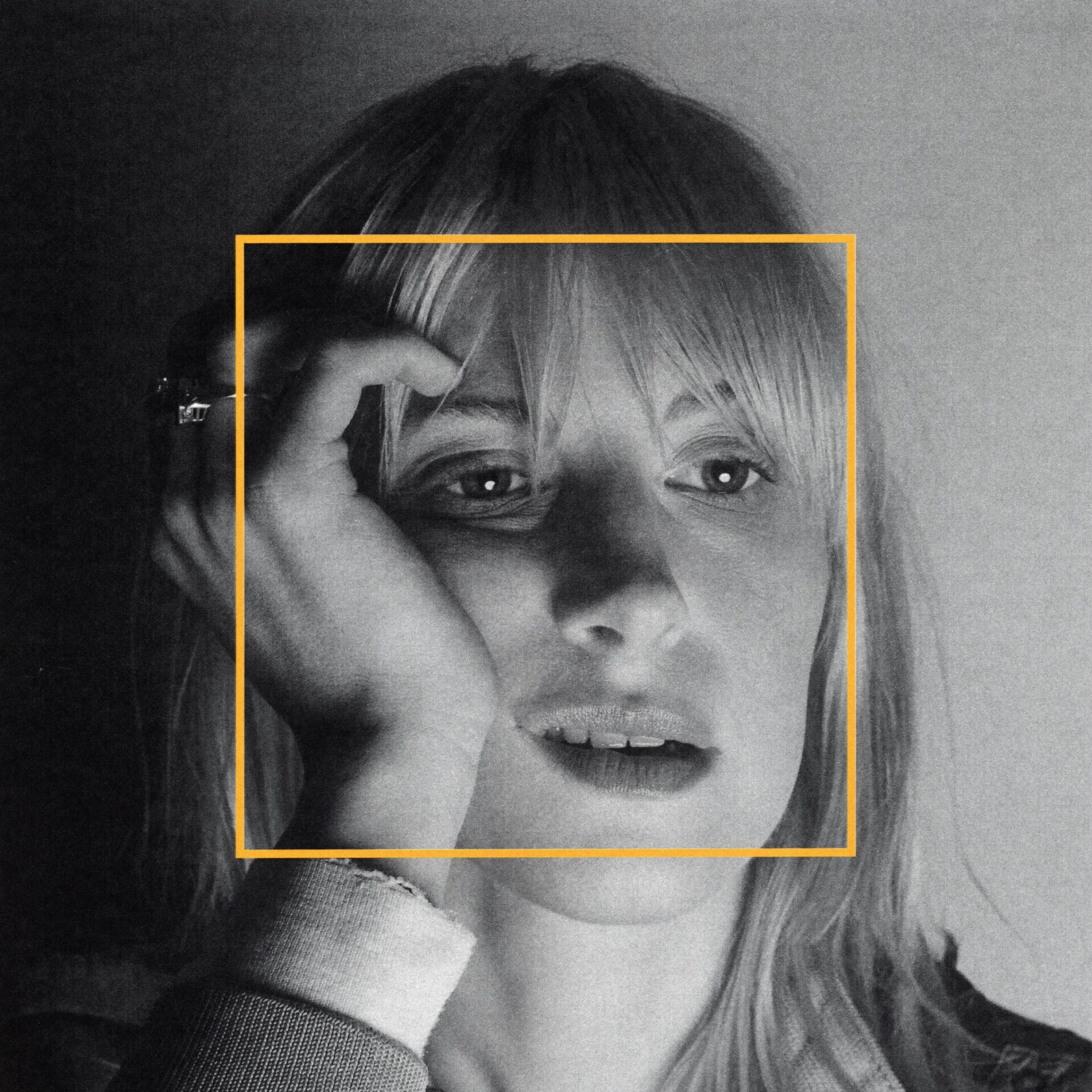
It’s a question artists like Jack Antonoff and Hayley Williams are asking more openly, especially as stadium shows sell out in minutes and fans find themselves battling dynamic pricing, “fake VIP” lines, and soaring fees just to catch a gig. The two long-time friends and collaborators recently sat down together for Rolling Stone’s Musicians on Musicians series, and while they covered everything from songwriting to stage wear, it was their candid talk about the state of touring that hit hardest.
“Live music is literally bigger than ever. People are f*cking going to shows,” said Antonoff. “But then there’s a couple of people at the top who are like, ‘Nope.’ And you’re left with what you’re left with.”
It’s a complicated ecosystem: Fans are hungry for shows. Artists want to perform. Venues are full. But in between, a labyrinth of fees, gatekeeping, and corporate greed is making live music feel more like a luxury than a shared cultural moment.
Williams, who’s spent the better part of two decades fronting Paramore, remembers what it felt like to realise that touring, even on a shoestring budget, wasn’t always sustainable.
“We had made enough money to get gas to go to the next show,” she recalled. “But we had to give half of it to the venue. My dad was like, ‘This is America.’”
That was years ago. Today, even wildly successful bands are sounding the alarm over just how impossible it’s become for smaller artists to break even, let alone grow in a live setting.
So what happens when a sold-out show doesn’t actually mean financial success for the band?
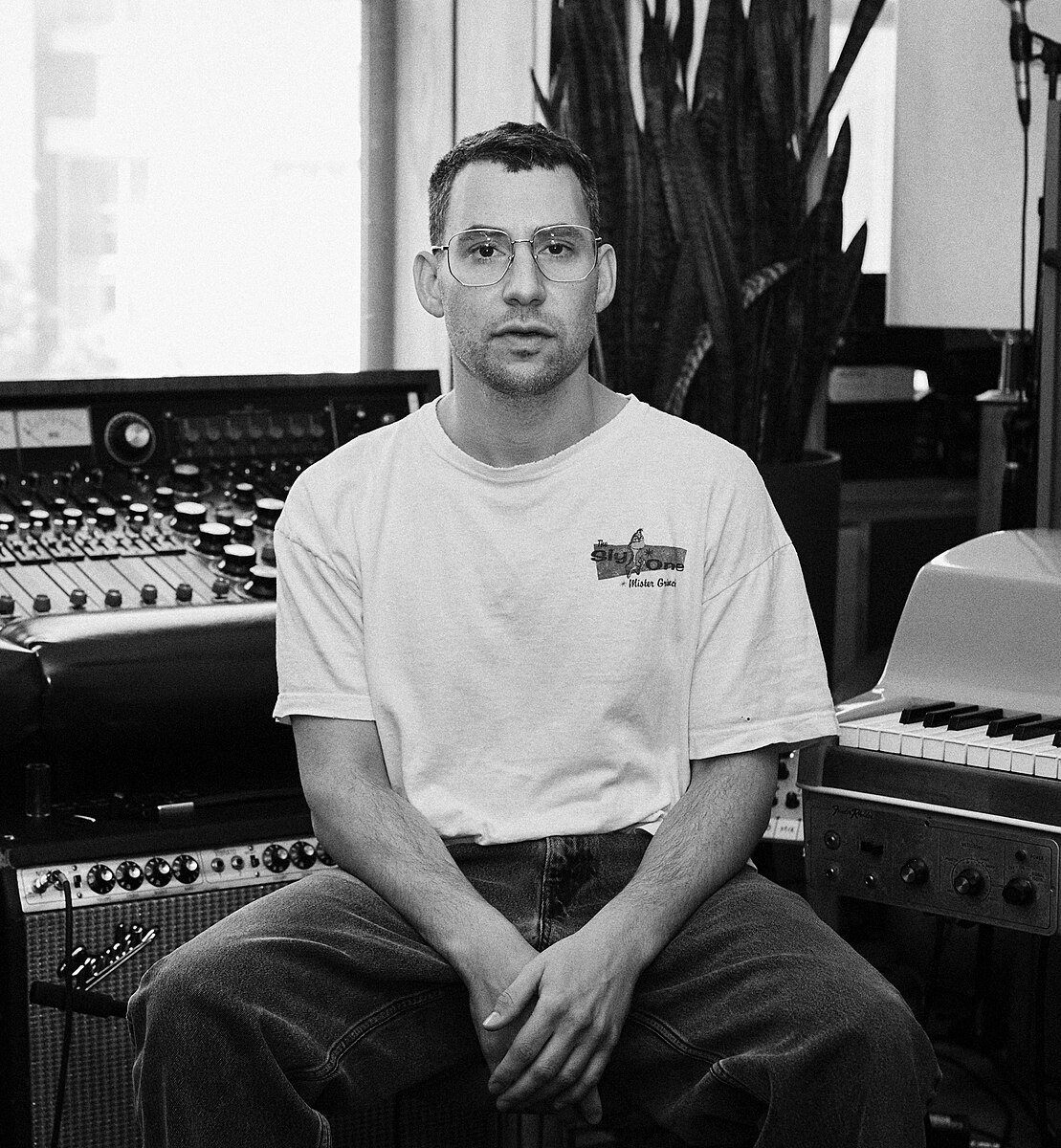
According to Antonoff, the answer is both obvious and deeply frustrating: “Why is drawing a few hundred people not an honest living? You and your band can’t turn a profit, and then we have to watch the companies that own all these rooms post billions in earnings.”
It’s a sentiment echoed across the industry, from indie bands to arena acts. Many of them, like Paramore and Bleachers, are using their platforms to advocate for more equitable touring models. Antonoff, in particular, has been vocal about not participating in dynamic pricing and frequently calls out inflated ticket costs and unnecessary VIP upcharges.
“I want everyone in that room to feel like a human being from beginning to end,” he said. “I want it to be the best night ever. The last thing I want people to think about is how they’re treated.”
It’s not just a financial issue, either, it’s about vibe, safety, and community. Williams recalled being heckled at a show as a teenager and how quickly someone in the crowd stepped in to protect her. It was a moment that underscored what the DIY and alternative scenes have long done best: self-regulate, protect, and preserve the space for everyone who needs it.
And that’s what makes this conversation so vital. Because beyond the nostalgia and sold-out tours is a core truth: Live music isn’t just a product. It’s a culture. And it only works when the people in the room feel like they belong there, whether they’re onstage, in the pit, or working the merch table.
Williams summed it up best:
“There’s a lot of bad apples. There’s a lot of dudes that are going to say weird sh*t to me. That sucks. But I get to be here. I’m going to keep claiming the space, and the right people are going to make the space.”
Let’s be clear, no one is asking promoters, venues, or platforms to run at a loss. But when artists and fans alike are calling out the system, it’s time to listen. Accessibility in music shouldn’t be radical. And if the most community-driven art form we have becomes exclusive to only those who can afford it, what are we even doing?
For now, the culture still lives. The crowds are still showing up. But if this boom is to last, the system has to stop squeezing those at the centre of it.
After all, as Antonoff says:
“The culture of the audience is f*cking everything.”
This piece was inspired by the recent Rolling Stone conversation between Hayley Williams and Jack Antonoff, published October 16, 2025.
0 Comments