

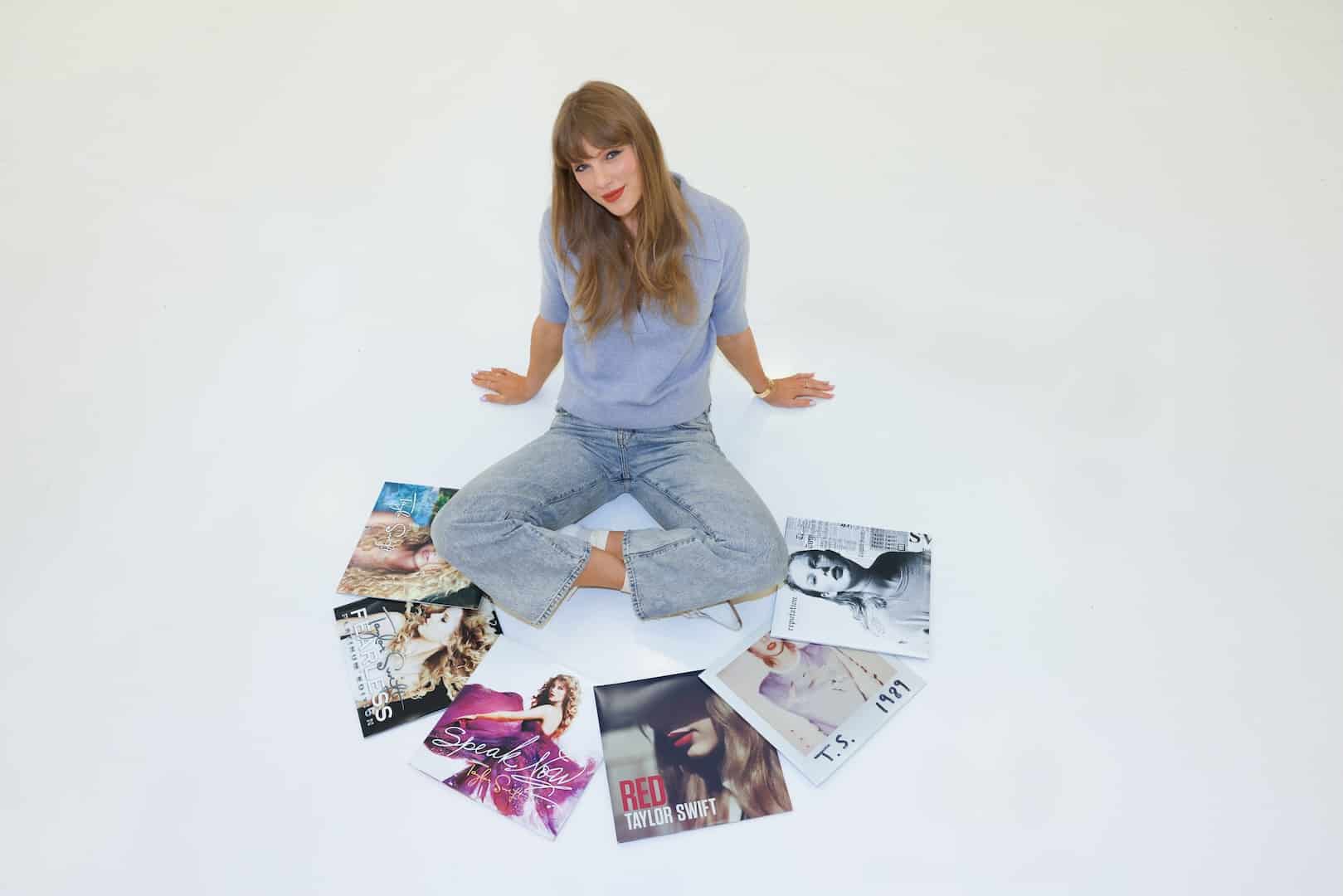
After nearly two decades, one of pop’s biggest open wounds has been stitched shut: Taylor Swift finally owns her masters. The singer announced the news with a letter to fans, confirming that all six of her original studio albums, from Taylor Swift to Reputation — now officially belong to her.
For longtime Swifties, this is the happy ending they didn’t dare dream of. For everyone else? It’s one of the most defining music industry stories of the 21st century — a battle between artist and industry, power and profit, and a woman determined to rewrite the rules.
What Actually Happened — A Quick Recap
Back in 2019, Swift’s early catalogue — which includes Fearless, Speak Now, Red, 1989, and Reputation — was sold without her consent when Scooter Braun’s company acquired Big Machine Records, the label she signed to as a teenager.
The move was personal as well as professional: Swift accused Braun (who managed Kanye West at the time) of contributing to a long history of bullying and manipulation. Her frustration wasn’t just about business, it was about being shut out of her own life’s work.
Rather than sit quietly, she vowed to re-record all six albums — and she delivered, with “Taylor’s Version” reissues packed with vault tracks and meticulous production. These weren’t just nostalgia projects. They were her way of devaluing the old recordings while making new ones on her own terms.
Why Master Ownership Matters So Much
For anyone wondering why she went through all this: owning your masters means owning your music. It’s the difference between being a performer and being a boss.
Whoever holds the master recording controls how it’s used — in films, ads, streaming, and licensing. Even though Swift always retained her publishing rights (meaning she could veto where her songs appeared), she had no say over the original recordings. That’s like writing a book but not being able to decide where it’s sold.
Now, that’s changed. Every song. Every era. Every scar and sparkle — finally hers.
What About Reputation?
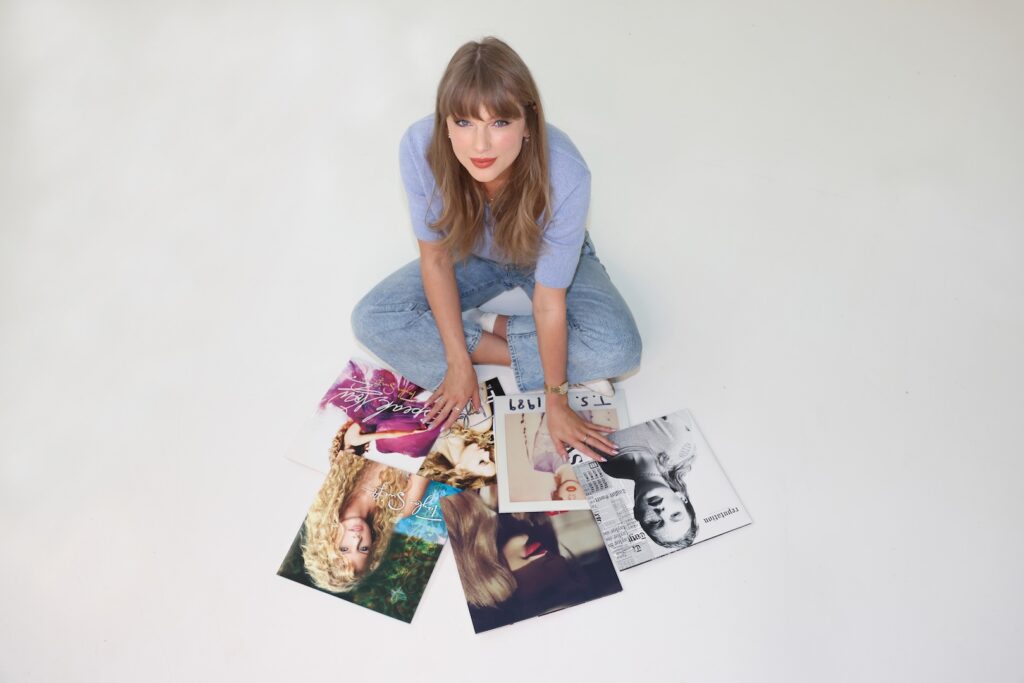
While Swift has confirmed she now owns the rights to Reputation, she admitted that re-recording it proved difficult.
“The Reputation album was so specific to that time in my life,” she wrote. “All that defiance, that longing to be understood while feeling purposefully misunderstood…”
She described Reputation as the one record that didn’t feel like it needed to be redone — which may explain why it’s one of the last of the original six to get the Taylor’s Version treatment. Fans got a teaser of “Look What You Made Me Do (Taylor’s Version)” in The Handmaid’s Tale, but a full release is still uncertain.
She did, however, confirm she’s re-recorded her self-titled debut, and hinted that both albums “can still have their moment” when the time feels right.
A Win for Taylor — And for Every Artist Watching
The impact of this victory is bigger than just one woman or one discography. As Swift pointed out in her open letter:
“Every time a new artist tells me they negotiated to own their master recordings because of this fight… I’m reminded how important it was.”
What started as an industry feud turned into an artist empowerment movement, and that’s no small feat. In a world where musicians often sign away ownership in exchange for opportunity, Swift flipped the script.
It’s also worth noting that Swift didn’t win this fight overnight. She chased her masters for 20 years, tried multiple times to buy them back, and was told no. Twice. In her words, it was like a “carrot dangled and then yanked away.” But thanks to the unmatched success of the Eras Tour (which grossed over $2 billion), she now had the leverage to end it, on her own terms.
This Is More Than a Business Deal — It’s a Legacy
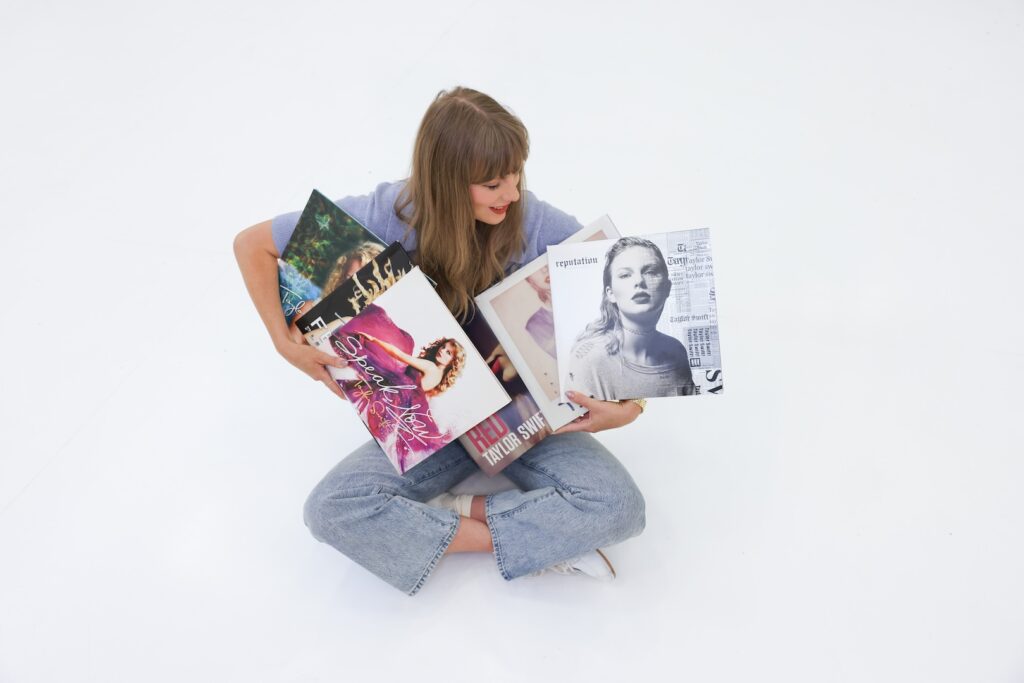
This isn’t just about CDs and copyrights. It’s about autonomy, agency, and artistic freedom. Swift’s story proves that fighting for your work, even when it feels impossible, can still lead to real change.
She’s not just reclaiming songs, she’s rewriting the story around them. And in doing so, she’s giving new meaning to one of her most iconic lines:
“I want my music to live on… but only if I own it.”
Now she does. And we’ll never listen to those albums the same way again.
0 Comments