

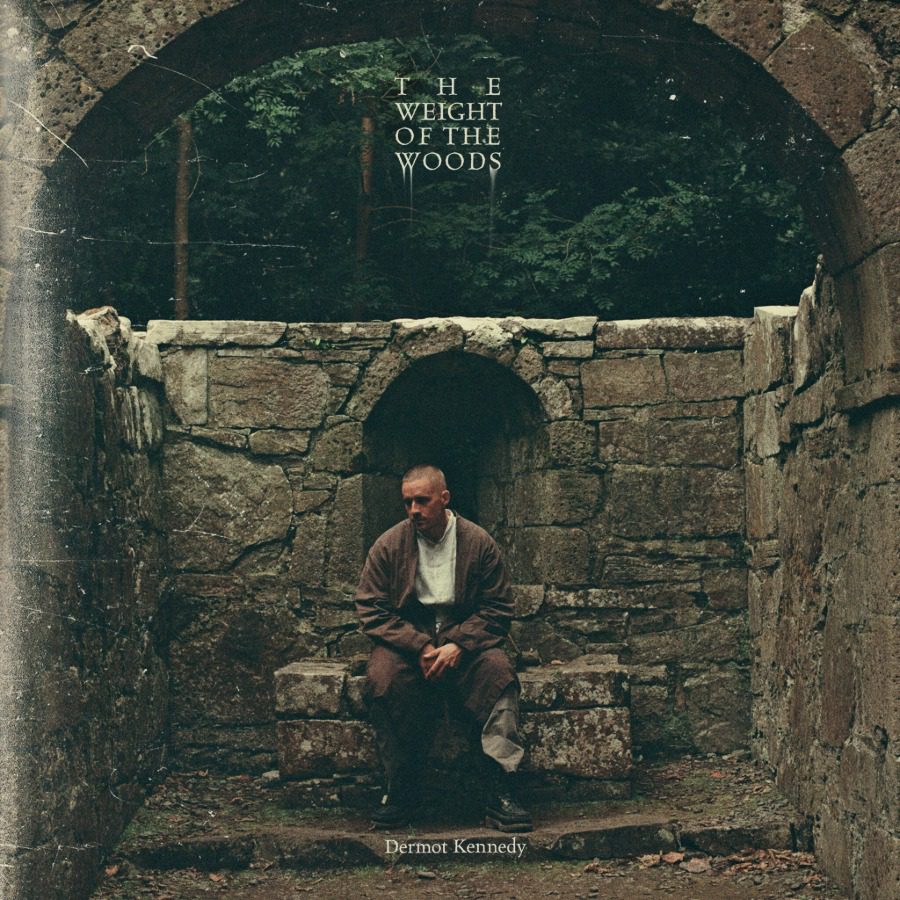
Dermot Kennedy has always been an artist who thrives in the tension between small, quiet moments and massive, arena-filling crescendos. On his third studio album, The Weight of the Woods, he seems to have finally found a way to let those two worlds coexist without the heavy-handed pop polish that occasionally clouded his previous efforts. Recorded largely in a studio near his home in rural Ireland alongside producer Gabe Simon, the album feels like a deep, necessary exhale. It is an organic, “homegrown” record that swaps neon lights for forest canopies, resulting in a piece of art that is as bruised as it is beautiful. This is more than just a collection of songs; it is a vulnerable piece of poetry set to music that suggests a major “click” moment for Kennedy, signalling his transition from a mainstream star back to a raw, essential storyteller.
The lyrical core of the album is anchored by the high-stakes drama of “Honest,” where Kennedy explores the “original sin” of emotional guardedness. It is a classic pressure-cooker track, starting with a tense confession before exploding into a chorus about “colours spilling out” that feels destined to be screamed by thousands in sold-out arenas. This sense of collective vulnerability continues in “Refuge,” a song that acknowledges the persistent shadow of the dark while offering a defiant, “ride or die” resolve. When Kennedy sings, “If we never make it, at least we can say we died trying,” he turns personal exhaustion into a badge of honour, crafting an anthem for the burnt-out dreamers who refuse to give up.
As the album progresses, it takes on a more ritualistic tone with “Funeral,” which subverts its sombre title by celebrating the burial of past heartaches. By claiming he is “thankful for the darkness” and recognising that “grief is such a solid promise,” Kennedy finds a sturdy comfort in the shadows that have shaped him. This introspection deepens in “Endless,” where he questions if he was “made just to suffer” and contemplates the curse of loving too deeply. The song’s closing mantra—”pretend the hurt is gone for now”—is a masterclass in the kind of temporary lyrical self-delusion required to survive a long night. It leads perfectly into “Sycamore,” a track so fragile it feels as though it might break under its own weight, offering an all-or-nothing ultimatum to be seen in all his “vulnerable, broken, and insecure” glory.
The album’s brilliance often lies in its internal friction, most notably on “Turnstile.” The track employs a driving, upbeat tempo that serves as a startling juxtaposition to its heavy lyrical content. It captures the frantic energy of someone “clutching at a dream” while a partner turns away, unable to even look. This sonic contrast makes his admission of not being “strong enough” feel even more acute, illustrating the frantic pace of a heart trying to outrun its own breaking. It stands as a highlight of Kennedy’s technical and emotional range, showing that he can make the most devastating desperation feel like a propulsive force of nature.
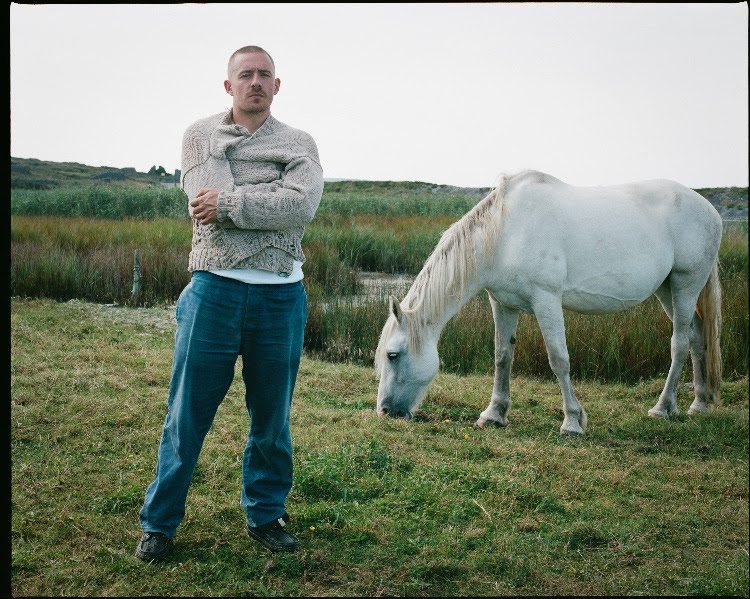
The spiritual heartbeat of the project undeniably rests in “The Only Time I Prayed,” where Kennedy delivers a stunningly raw exploration of “foxhole religion.” By admitting his only prayers happened in the isolation of his bedroom, he suggests that the dark is often the very thing that makes us believers. However, he beautifully pivots to find his true salvation in the earthly mundane, noting how a loved one’s laugh can make “all of the pieces find a place.” It is this capacity for intense, selfless devotion—the idea that love can be a healing, grounding force against a breaking heart—that defines the record. The Weight of the Woods is a towering testament to his craft, leaving the listener with the overwhelming realisation of how rare and transformative it is to be loved with the kind of depth Dermot describes.
Final thought: this is surely the best album of 2026.


0 Comments