
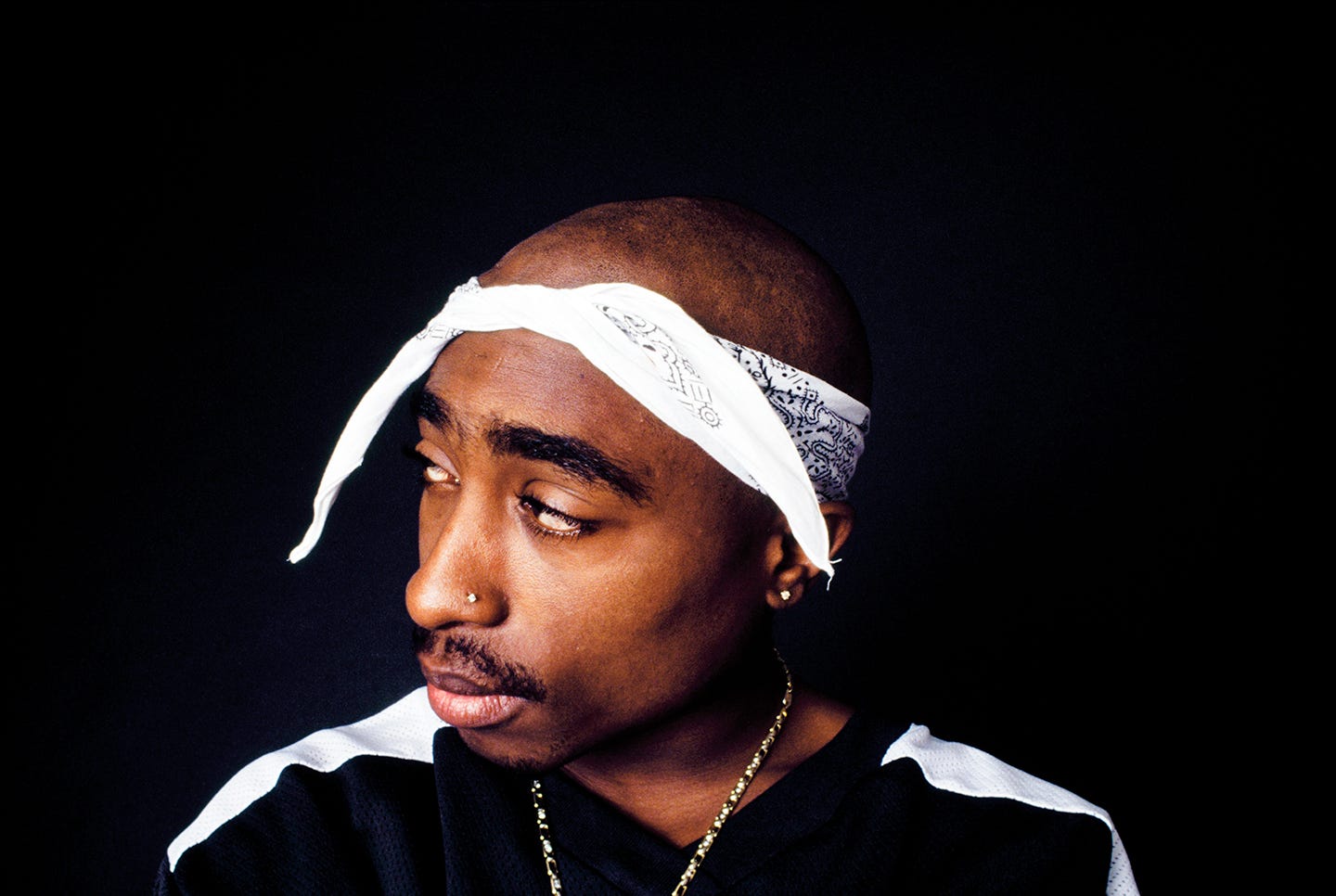
Almost thirty years after Tupac Shakur was killed in a drive-by shooting on the Las Vegas Strip, the Tupac Shakur murder trial finally reached a courtroom. Opening statements began this week at Clark County District Court against Duane “Keffe D” Davis, 63, the man prosecutors say orchestrated the September 1996 murder. Davis has pleaded not guilty to murder with a deadly weapon in furtherance of a criminal gang, a charge that carries a potential life sentence.
The prosecution’s version of events, laid out by Deputy District Attorney Binu Palal, traces the shooting back to a specific, well-documented flashpoint: a brawl at a Mike Tyson fight at the MGM Grand, where Shakur and members of his entourage were captured on hotel surveillance beating Davis’s nephew, Orlando Anderson. According to prosecutors, roughly two and a half hours later, Shakur was shot while riding in a car driven by Death Row Records founder Suge Knight. Palal’s framing to the jury was blunt: Davis didn’t pull the trigger himself, but he set the retaliation in motion.
What kept this case cold for so long is almost as notable as the killing itself. Davis spoke to investigators about the shooting back in 2008 under a grant of immunity, and the case sat largely dormant for another decade and a half. It was Davis’s own 2019 memoir, in which he described his alleged role in detail, that reportedly gave prosecutors the opening to revive the investigation, leading to his 2023 indictment.
For a hip-hop community that has spent three decades trading theories, documentaries, and podcasts about who was really responsible for Shakur’s death, an actual trial, with named witnesses, sworn testimony, and cross-examination, is uncharted territory. Prosecutors have indicated they may call between 35 and 45 witnesses over what could stretch into weeks of proceedings, meaning the coming days are likely to surface details about the September 1996 timeline that have never been tested in open court before.


0 Comments