

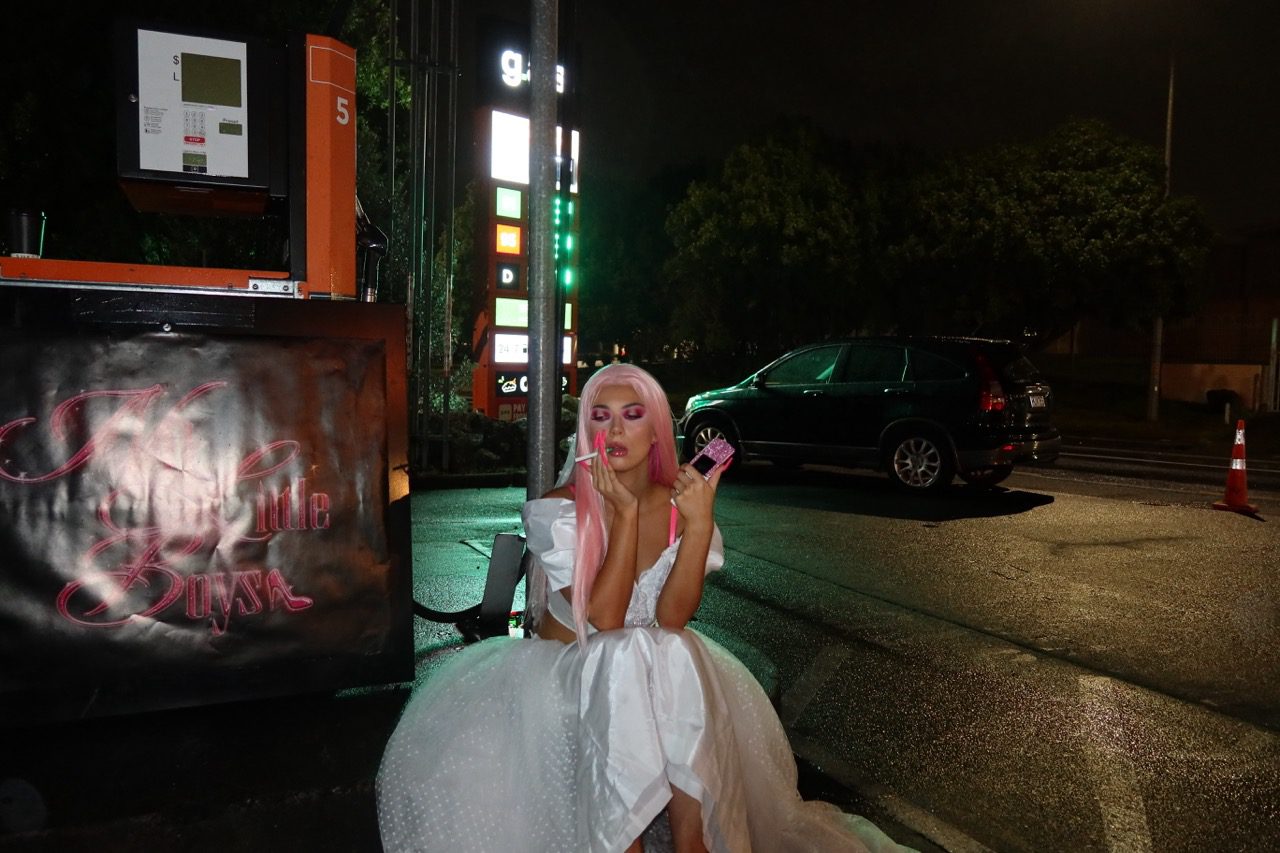
New Zealand rising pop star Verity isn’t interested in fluff. Across her social platforms, where over 600,000 followers hang on every vocal run, and through her infectious, soul-infused pop releases, the Tāmaki Makaurau-based artist has carved out a niche built entirely on unfiltered honesty.
Her single “Casual” hits right at the heart of modern dating culture: the dreaded situationship. Pairing a shimmering, upbeat pop production with painfully specific lyrics that contrast a “white dress/picket fence” future against someone who just wants to keep things undefined, the track is elevated further by a fiery feature from Kiwi rap powerhouse Jujulipps.
We sat down with Verity to talk about LA studio sessions, sending tracks to exes, and the brutal piece of advice from a Hamilton community centre that still guides her career today.
The lyrics in “Casual” are painfully specific—especially that contrast between wanting a “white dress/picket fence” future and dealing with someone who just wants to keep things undefined. Was it scary putting a relationship dynamic that raw into a pop hook, or did it feel like a relief?
Verity: My favourite thing to do is put a real-life spin on a pop song. There are so many fun pop songs with really generic lyrics, but what makes my artistry feel authentic is writing about my actual experiences. Even if the melody is upbeat and catchy, I want the lyrics to feel raw and honest because that’s what I connect with. I think the more vulnerable I am, the more likely someone listening will think, “I’ve felt that too.”
Situationships usually thrive on silence and nobody admitting how they really feel. Have you sent the track to the person who actually inspired it, or are you just letting them find out on Spotify with everyone else?
Verity: Although I had one specific person in mind while writing most of the song, situationships aren’t exactly rare these days—almost everyone has experienced some version of one! So yeah, the person who inspired it has heard the song… but everyone else who helped inspire little bits along the way can just find out on Spotify. 😅
You found Jujulipps while scrolling online, which is how so many great modern collaborations start. What was the exact video or track of hers that made you go, “Yep, she’s the one who needs to read this situation for filth on my track”?
Verity: Honestly, I just ended up in a complete doom-scroll of all her socials! I can’t even remember the exact video, but I remember stopping and thinking, “Oh my God… yeah, she’s the one.” She had exactly the energy I imagined for the feature: confident, unapologetic, and her iconic Juju personality.
Jujulipps’ verse brings that crucial “know your worth” energy to the song. Did her perspective on the track change how you viewed your own vocal delivery when you put the final edit together?
Verity: When Juju and I were in the studio brainstorming her verse, it felt really natural for her to bring that “know your worth” energy because that’s genuinely who she is. She’s such a strong, confident person. I think that confidence in ourselves is something we both value, and hearing her bring that message to life was actually a really good reminder for me not to forget it myself.
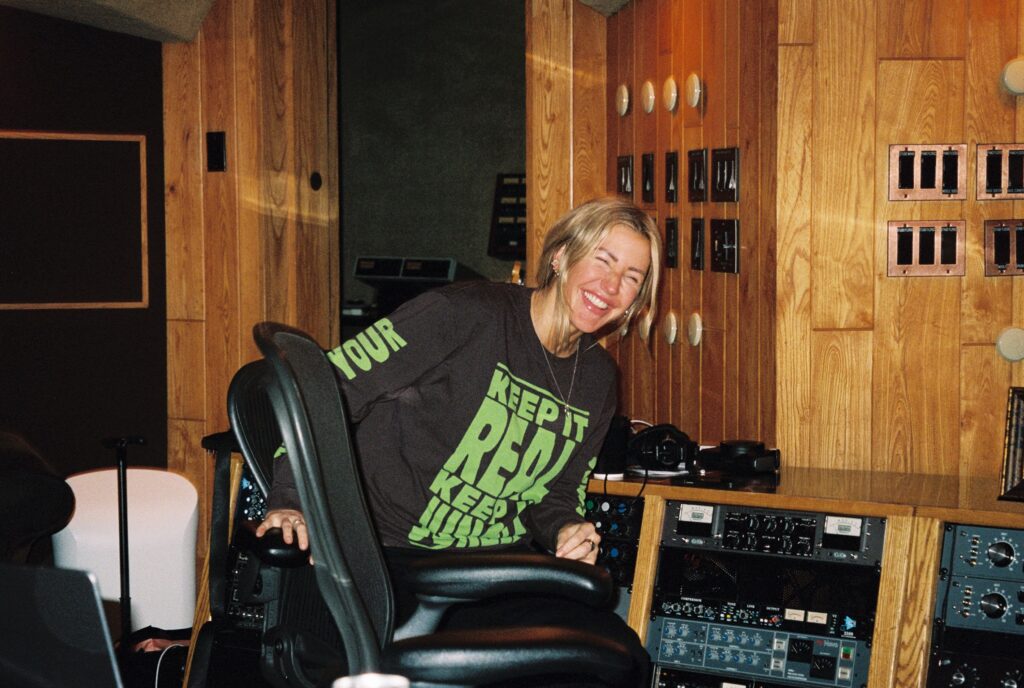
You wrote this track in LA with Magnus Bertelsen and your mentor Vince Harder, but finalised it back home in Tāmaki Makaurau. What does an LA studio session give you creatively that you can’t get in Auckland, and vice versa?
Verity: Honestly, I think the quality of music and talent in New Zealand is just as good as anywhere else in the world. For me, the biggest difference was the environment. In LA, everyone has this “go, go, go, reach for the stars” mindset. Creativity is everywhere, and it’s such a fast-paced environment that you can’t help but get swept up in it. It makes you feel completely immersed. Auckland has its own magic too, though, and I love that I get to experience both because they each bring something different out of me creatively.
You’ve been in rooms with veteran mentors, but what is the most brutal, necessary piece of advice someone has given you about navigating the music industry that you stick to?
Verity: Honestly, the most memorable advice I’ve ever been given didn’t come from a Grammy-winning songwriter or an industry icon. It came from a man running an event at my community centre in Hamilton when I was about 12 years old. He told me, “Sometimes you have to be a bitch.”
At 12 years old, I remember thinking, “What is this crazy man talking about?!” But then he explained that, especially as a woman in the music industry, people will sometimes expect you to say yes to everything even when you’re uncomfortable. So him saying “be a bitch” was his way of telling me to stand my ground and not let anyone’s pressure overrule my comfortability. That advice has stuck with me ever since. You can be kind and still have boundaries.

You’ve built an incredible community of over 600,000 followers across TikTok and Instagram, but social media can feel like a full-time job. How do you protect your peace and make sure you’re saving your best creative energy for the studio?
Verity: Honestly… I’m still figuring it out! It’s really hard. With music I’m such a go-with-the-flow person; I sometimes think I’d probably benefit from having more of a game plan. At the end of the day, though, what keeps me going is passion. Music isn’t just something I want to do, it’s something I need to do. It’s as natural to me as eating or breathing. So even when the algorithm feels exhausting, that love for creating always brings me back to the studio.
Going viral for vocal clips is one thing, but getting people to stream a three-minute song or buy concert tickets is another. How do you mindfully shift your social media audience into a touring fanbase?
Verity: I have no idea! I still feel like such a baby when it comes to this side of the music industry. I’ve been singing since before I can remember and performing since I was little, but releasing music, filming music videos, promoting songs, and planning tours is all still pretty new to me. My mum always tells me to “fake it till you make it,” so that’s kind of the mindset I’ve been running with. I’m learning as I go, just like everyone else.
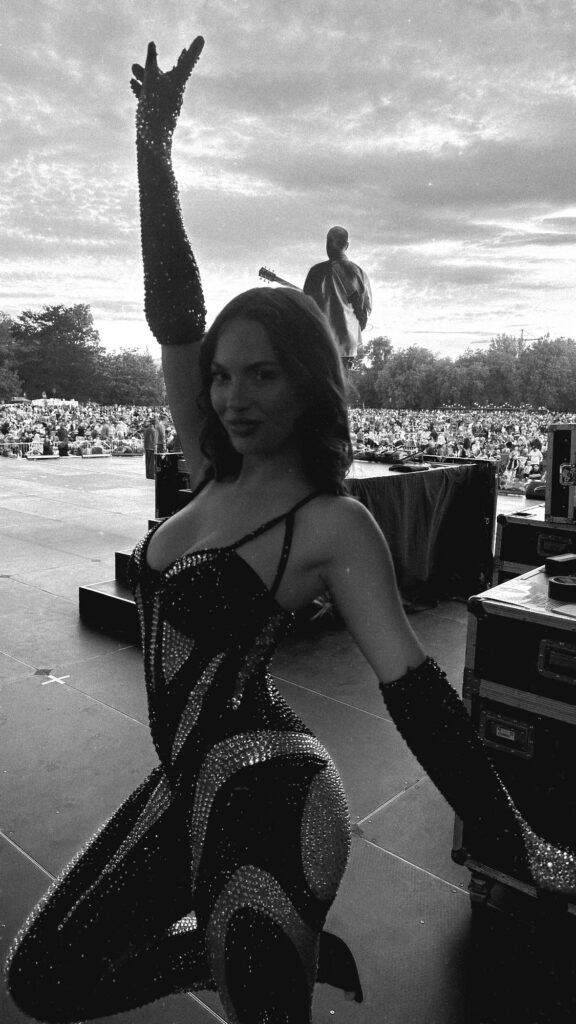
You’ve gone from singing into a phone camera to standing on massive festival stages like Jim Beam Homegrown. What was the biggest psychological shift you had to make when transitioning to real, breathing faces staring back at you in a venue?
Verity: I’ve actually been performing since I was really young. I started in musical theatre, performed at community events, and slowly worked my way up to bigger stages like Coca-Cola Christmas in the Park and Jim Beam Homegrown. The stage has always been my happy place, so performing for big crowds doesn’t feel like a huge psychological shift for me—it actually feels like home.
Weirdly enough, performing in front of a small room full of people I know is way more terrifying! If I can see my friends or family in the audience, suddenly I get really nervous. I don’t know what it is, but somehow that’s scarier than thousands of strangers.
If “Casual” is the blueprint for what you’re working on next, what can fans expect from the sonic world and storytelling of your upcoming debut album?
Verity: With my album, I don’t want to box myself into one specific sound. I want it to feel more like a whole vibe. Everything feels cohesive, but you’ll definitely hear influences from pop, R&B, and soul. Those genres all play a part in creating my sound, and they give me different ways to bring my storytelling and lyrics to life.
If you could go back to the version of Verity who was just starting to post her very first vocal clips online, what’s the one thing you’d tell her?
Verity: I’d tell her to ride the wave because everything is going to be okay. I’d try to tell her to stay consistent (not that she would listen!), remember what really matters, and trust herself. But I’d also tell her to keep living life, making mistakes, and taking chances… because, honestly, some of my biggest screw-ups ended up becoming my best songs.
0 Comments